AgriKult: Where Biology Meets Intelligent Automation
Some projects don't just address a problem; they reframe how you think about it entirely. AgriKult is one of those projects.
Last week marked the official Kick-off of AgriKult, a new research initiative exploring how biotechnology, artificial intelligence, and robotics can work together to reshape modern plant propagation.
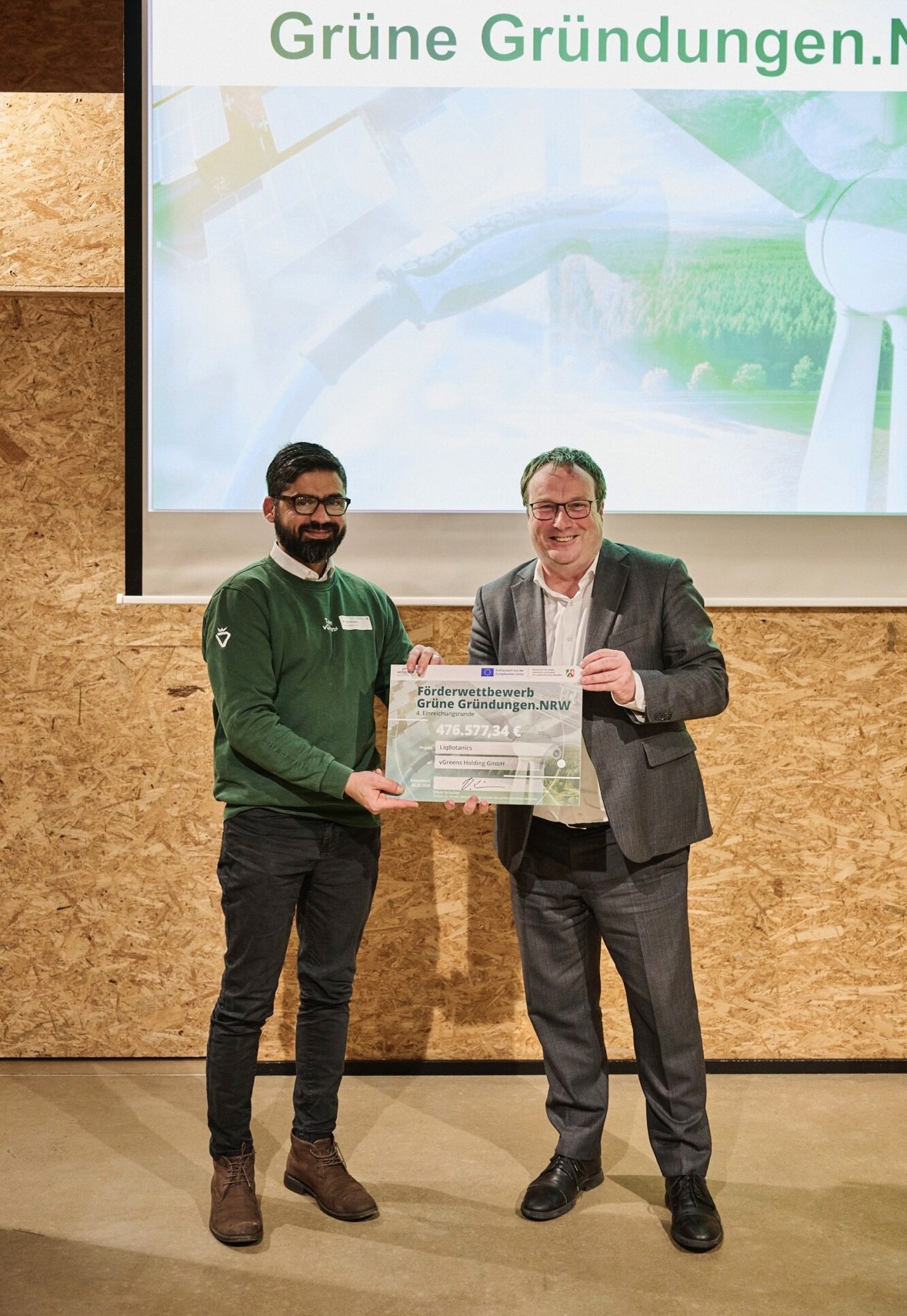
Supported through the NEXT.IN.NRW innovation program, funded by the European Union and the State of North Rhine-Westphalia, the project brings together expertise from plant science, automation, and agriculture to tackle one of the industry's most persistent structural challenges: scaling high-quality plant production efficiently and sustainably.
The Gap Between Progress and Practice
Agriculture has advanced enormously. And yet, much of the propagation work that feeds the supply chain still runs on manual labor — repetitive, resource-intensive, and difficult to scale without sacrificing quality.
At the same time, producers are navigating growing pressure from all sides: tighter consistency requirements, sustainability targets, and production systems that were never designed for the demands being placed on them today.
AgriKult was built to address exactly that gap.
A System That Thinks and Grows
By combining modern tissue culture methods with AI-supported robotics, the project develops new approaches for more precise, scalable, and data-driven plant production systems.
The ambition goes beyond efficiency. The long-term vision is to enable healthier plant material, more controlled production environments, and a meaningful reduction in chemical plant protection products. In short: fewer compromises, more intelligence, and a system that holds up at scale.
Why This Matters to Us
We have always believed that the future of agriculture isn't built by choosing between biology and technology; it's built by connecting them. Projects like AgriKult represent exactly that intersection. Biological expertise meeting intelligent systems, designed for the realities growers are actually facing.
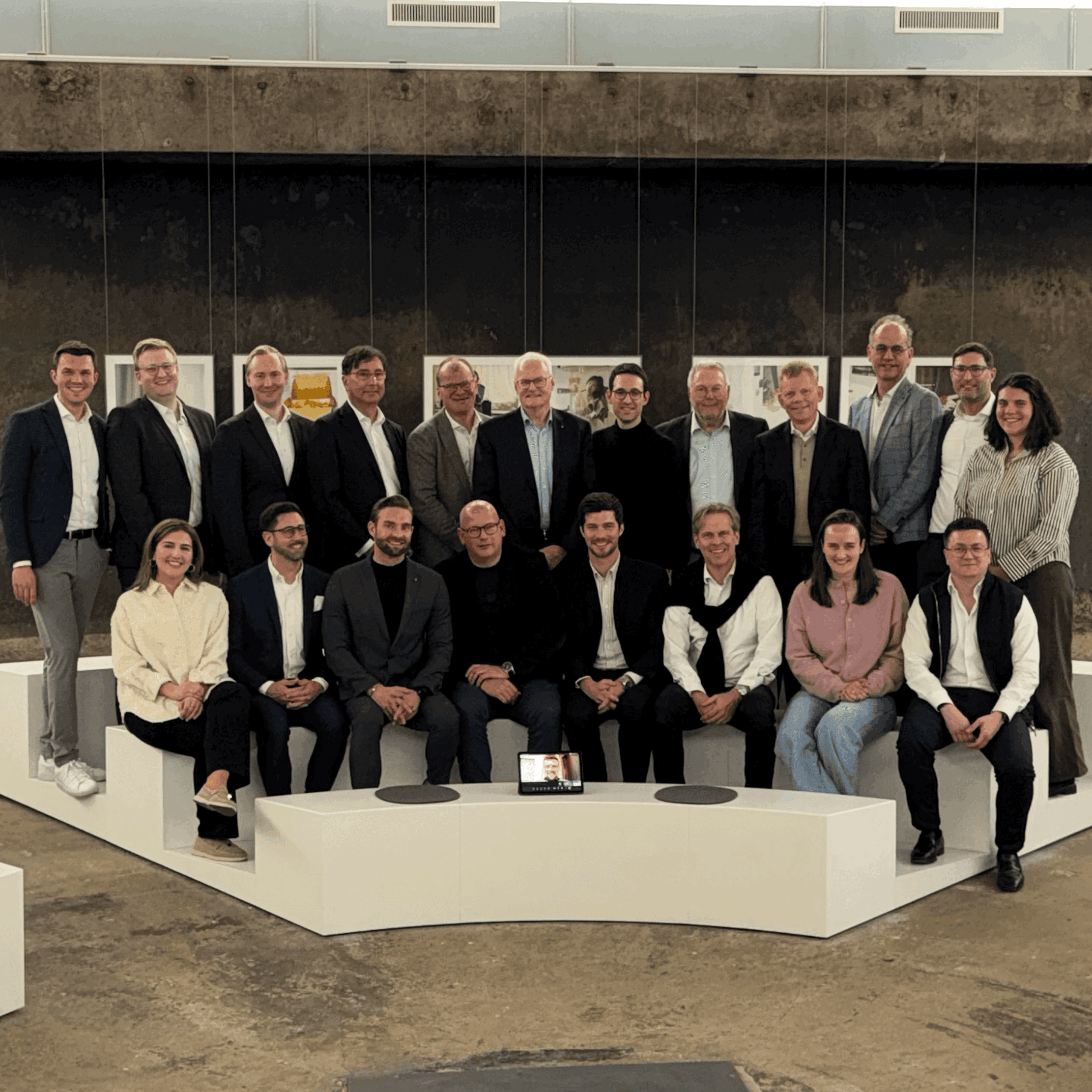
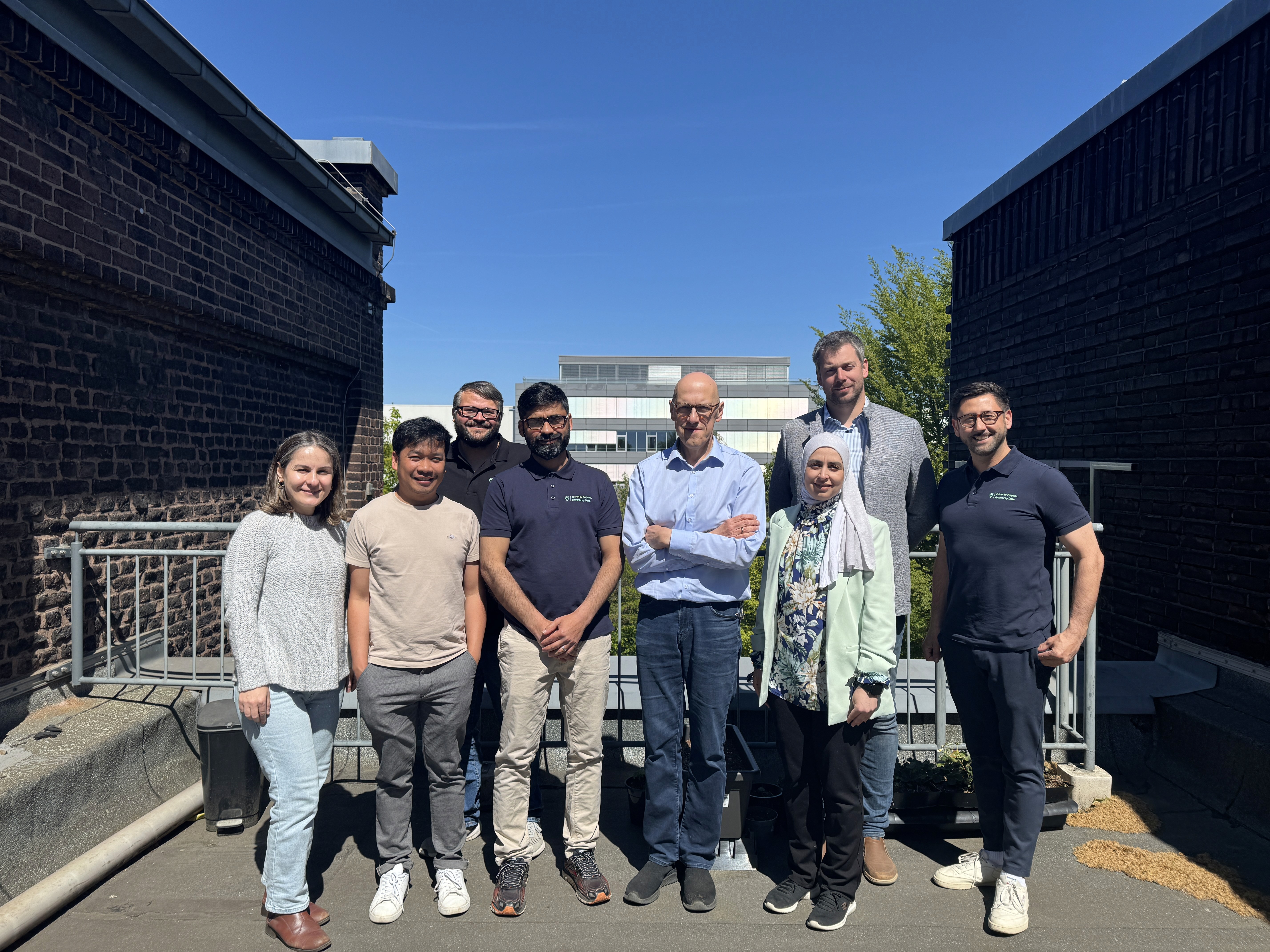
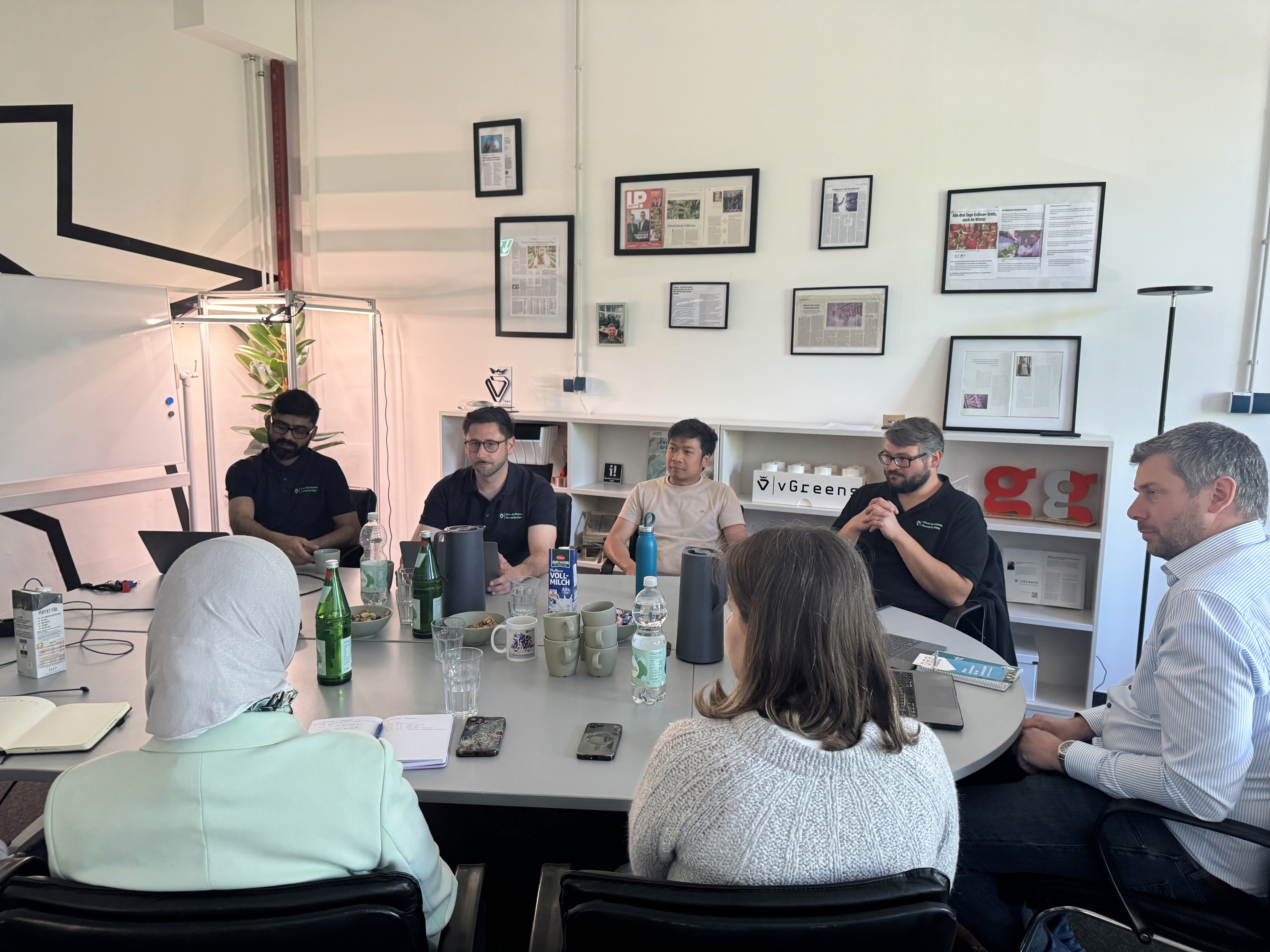
The kick-off brought together our project partners, the University of Bonn and AI.land, alongside researchers and industry experts to align on next steps and shared objectives. Plant science, artificial intelligence, and agricultural practice under one initiative, exactly the combination this challenge calls for. Thanks to Thorsten Kraska and Josef Franko for helping make it a successful start.
We are excited to begin this journey together, and we will keep sharing what we learn as the project moves forward.
The future of agriculture will be smarter, more connected, and more sustainable. AgriKult is helping shape that transformation.